When it comes to organizing data and processes, flowcharts are a great tool to visually represent information. In Excel, creating a flow chart can be made easier with the use of templates. These templates provide a ready-made structure that you can customize to fit your specific needs.
With a template flow chart in Excel, you can save time and effort by starting with a pre-designed layout. This allows you to focus on filling in the necessary information rather than creating the chart from scratch. Whether you’re mapping out a project timeline, outlining a decision-making process, or visualizing a workflow, using a template can help streamline the process.
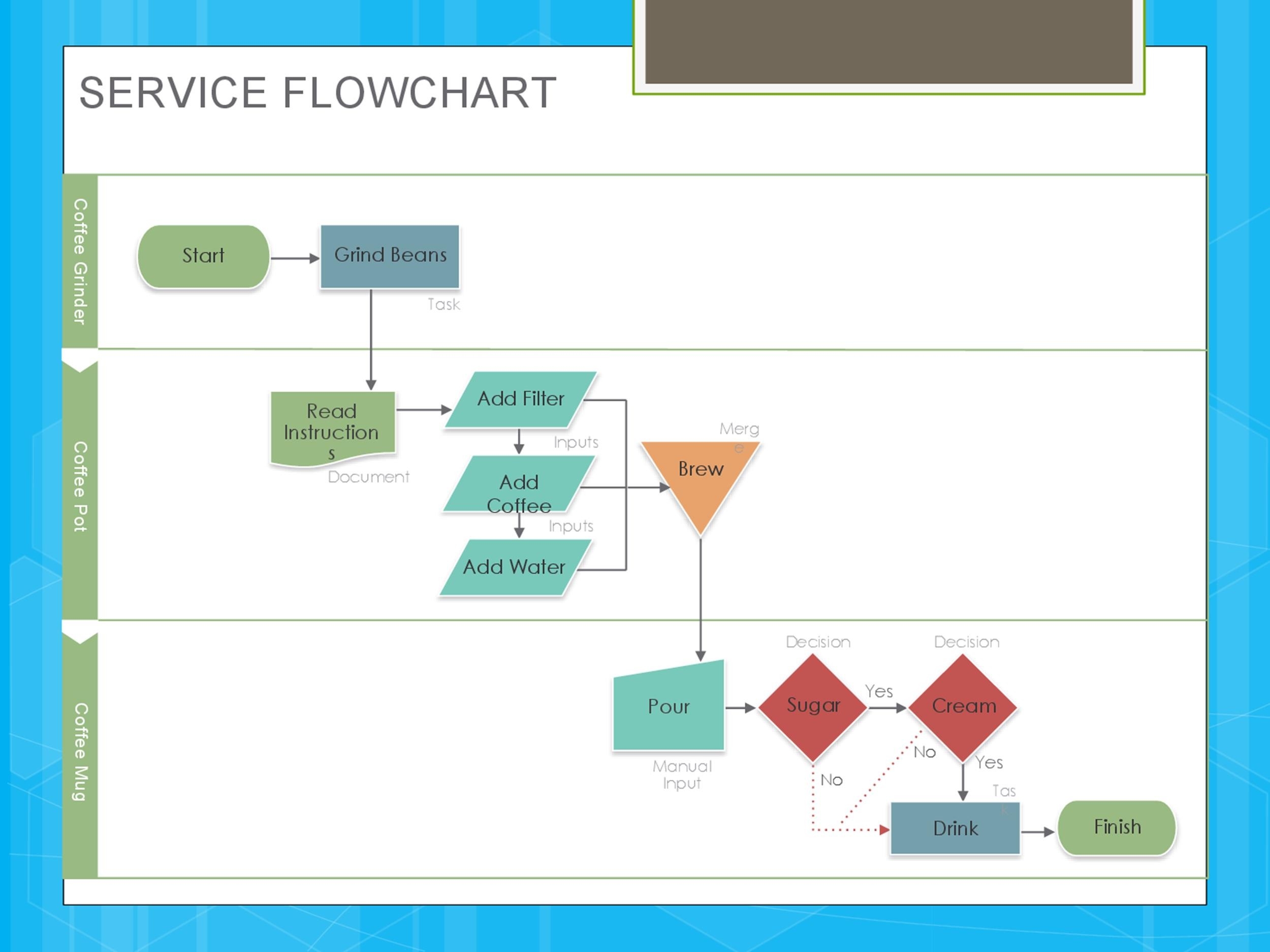 Template Flow Chart Excel
One of the key benefits of using a template flow chart in Excel is the ease of customization. You can easily modify the shapes, colors, and layout to suit your preferences. Additionally, Excel’s formatting tools allow you to add text, labels, and other details to enhance the clarity of your flow chart. This flexibility makes it easy to create professional-looking charts that effectively communicate your information.
Another advantage of using Excel for flow charts is the ability to easily update and share your charts. Since Excel is a widely-used program, you can easily collaborate with others by sharing your files or exporting your charts to other formats. This makes it easy to incorporate feedback, make revisions, and keep your charts up to date.
Overall, using a template flow chart in Excel can help you streamline the process of creating and customizing flowcharts. Whether you’re a project manager, a business analyst, or a student, Excel’s templates can help you create clear and visually appealing charts that effectively communicate your information.
So, if you’re looking to create a flow chart in Excel, consider using a template to simplify the process and achieve professional results. With the right template and customization options, you can create flow charts that effectively communicate your data and processes.