Microsoft Excel is a powerful tool that allows users to create and manipulate data in a variety of ways. One useful feature of Excel is the ability to create templates, which can save time and effort when working on similar projects. In this article, we will discuss how to make an Excel template that can be reused for different tasks.
To create an Excel template, start by opening a new Excel workbook and designing the layout that you want to use as a template. This can include formatting, formulas, and any other elements that you want to include in the template. Once you have the layout set up, go to the “File” menu and select “Save As.” Choose a location to save the template, and in the “Save as type” dropdown menu, select “Excel Template (*.xltx).” Give the template a name and click “Save.”
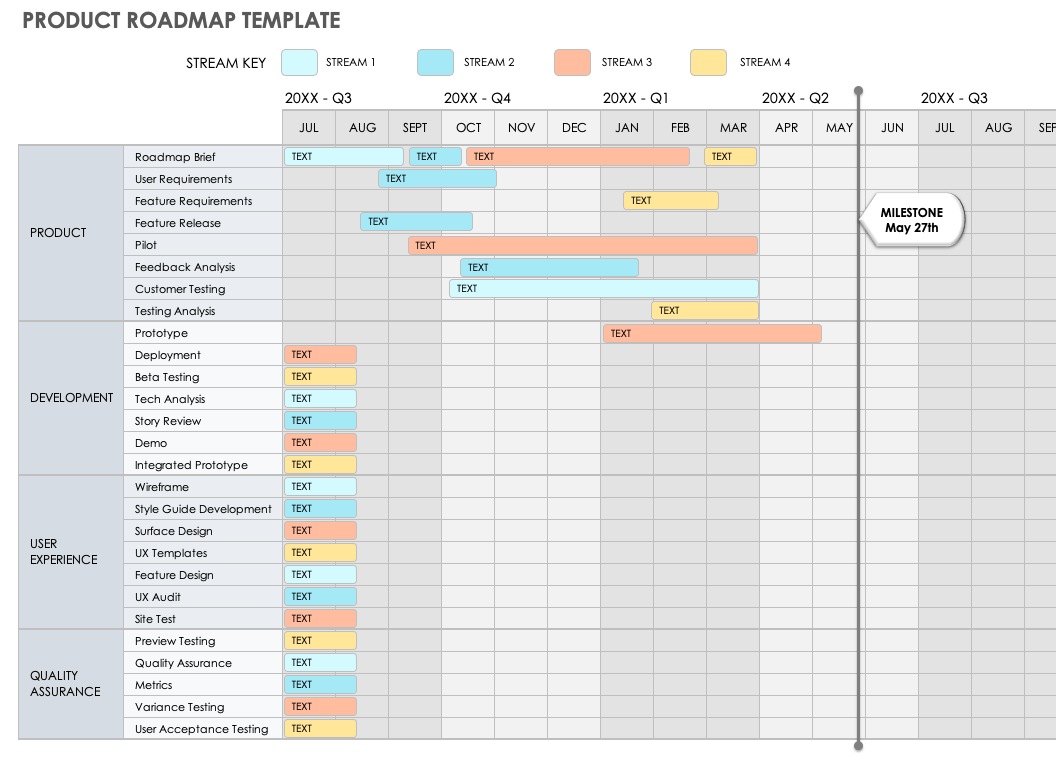 Make Excel Template
When you want to use the template, simply open a new Excel workbook and go to the “File” menu. Select “New” and then click on “Personal.” Your template should appear in the list of available templates. Click on the template to open a new workbook based on the template you created. You can then input your data and make any necessary adjustments to customize the workbook for your specific needs.
One of the benefits of using Excel templates is that they can help to standardize your work and ensure consistency across different projects. By creating a template with predefined formats and formulas, you can save time and reduce errors when working on similar tasks. Templates can also be shared with colleagues, making it easier to collaborate on projects and maintain a consistent look and feel across different documents.
In conclusion, creating an Excel template can be a valuable tool for streamlining your work and improving productivity. By following the steps outlined in this article, you can create a template that can be reused for different tasks, saving time and effort in the long run. Whether you are working on budgeting, project management, or any other type of data analysis, Excel templates can help you get organized and work more efficiently.