Gantt charts are an essential tool for project management, allowing you to track tasks, timelines, and dependencies in a visual way. Excel is a widely used tool for creating Gantt charts, thanks to its flexibility and ease of use. With a Gantt chart template in Excel, you can quickly and easily create a detailed project timeline that helps you stay organized and on track.
Using a Gantt chart template in Excel can save you time and effort when planning and tracking projects. By simply inputting your project tasks, start dates, and durations into the template, Excel will automatically generate a visual representation of your project timeline. This allows you to easily see the progress of each task, identify any potential delays, and make adjustments as needed.
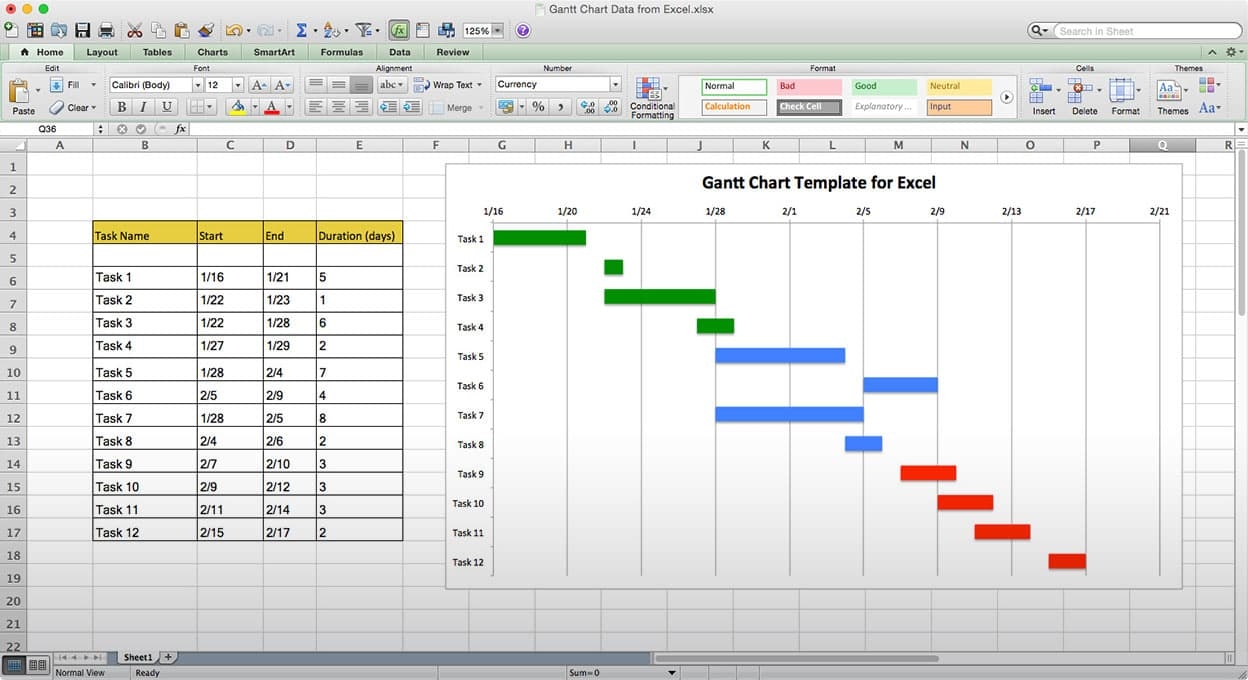 Gantt Chart Template Excel
One of the key advantages of using a Gantt chart template in Excel is its ability to easily customize the chart to fit your specific project needs. You can adjust the colors, fonts, and formatting of the chart to make it more visually appealing and easier to read. Additionally, you can add milestones, dependencies, and other project details to provide a comprehensive overview of your project timeline.
Another benefit of using a Gantt chart template in Excel is its compatibility with other Microsoft Office applications. You can easily copy and paste data from Excel into Word or PowerPoint to create reports, presentations, or project documentation. This seamless integration allows you to share project information with stakeholders and team members in a clear and concise manner.
In conclusion, a Gantt chart template in Excel is a valuable tool for project managers and teams looking to effectively plan and track project timelines. By utilizing the features and flexibility of Excel, you can create detailed Gantt charts that help you visualize project progress, identify potential issues, and make informed decisions to keep your projects on track.