When it comes to problem-solving and root cause analysis, Fishbone Diagrams are a valuable tool that can help identify the various factors contributing to an issue. Excel is a popular spreadsheet software that many people use for data analysis and visualization. By utilizing a Fishbone Diagram Template in Excel, you can easily create structured diagrams to analyze complex problems and find solutions.
One of the easiest ways to create a Fishbone Diagram in Excel is by using a pre-designed template. These templates typically include the main categories for analysis (such as people, process, equipment, materials, and environment) as well as space to add specific factors within each category. By filling in the template with relevant information, you can visually map out the possible causes of a problem and determine the root cause.
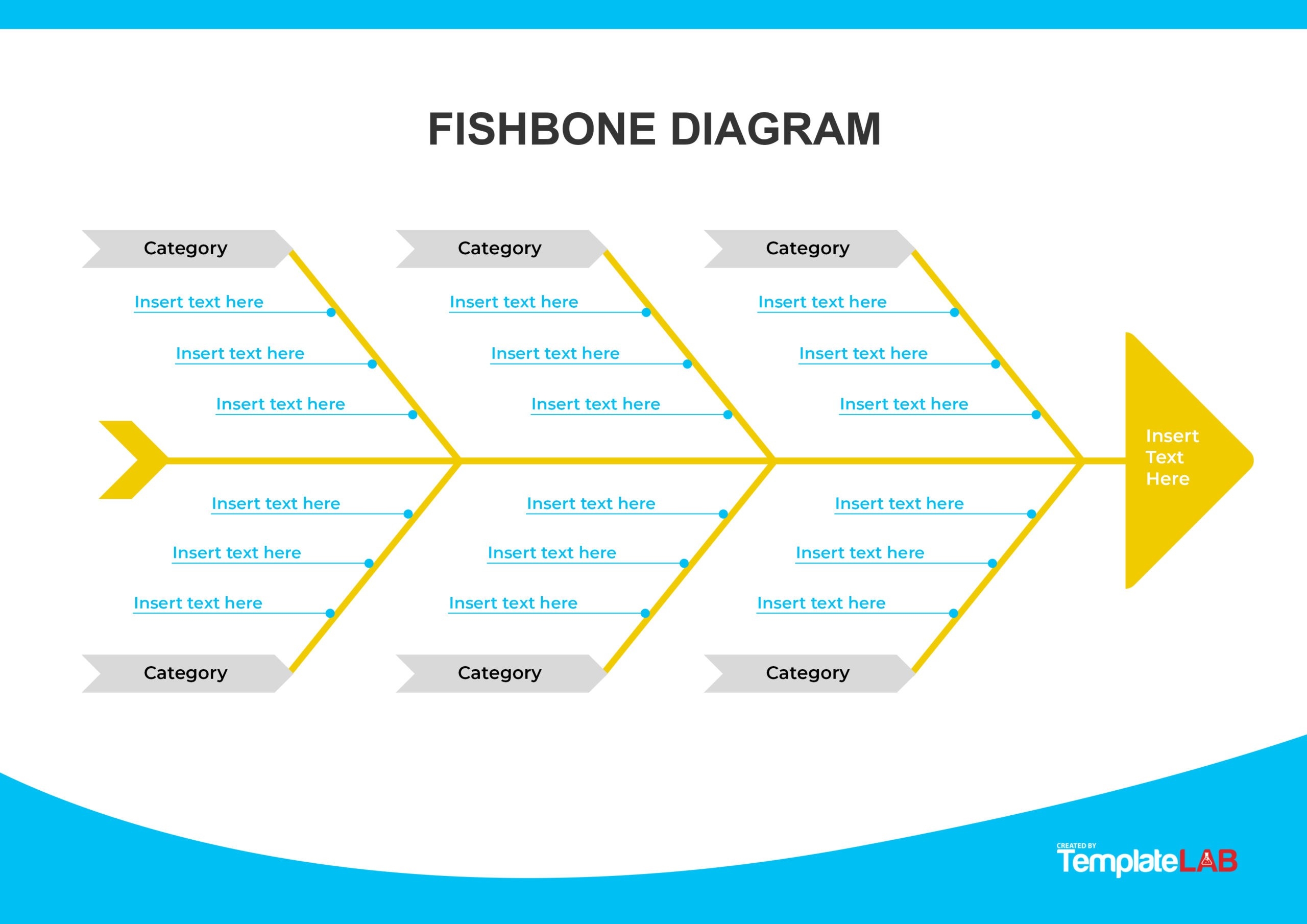 Fishbone Diagram Template Excel
To use a Fishbone Diagram Template in Excel, start by downloading a template from a reputable source or creating your own template using shapes and text boxes. Next, label the main categories on the diagram and add subcategories or factors under each main category. You can easily customize the colors, fonts, and layout of the diagram to make it more visually appealing and easy to understand.
Once you have filled in all the relevant information on the diagram, you can analyze the potential causes of the problem and prioritize them based on their impact and likelihood. By using Excel’s data analysis tools, you can further explore the relationships between different factors and identify patterns that may not be immediately obvious. This structured approach can help you make informed decisions and implement effective solutions to address the root cause of the issue.
In conclusion, Fishbone Diagrams are a powerful tool for problem-solving and root cause analysis, and using a Fishbone Diagram Template in Excel can streamline the process of creating and analyzing these diagrams. By following a structured approach and leveraging Excel’s capabilities, you can effectively identify and address the underlying causes of complex problems in a systematic and data-driven manner.